
Teacher Member Posts
Seven Tips to Ease Back into Work After the Holidays
Going Back to Work. Here are 7 of the best tips for easing back to work after a holiday or other break away – smoothing the transition for children and others around you. Tip 1: Don’t worry, be happy […]
Death of a Child, Parent or Other Adult
In the event of the death of a child or person known at your service, the impact will be extensive on children, yourself, members of your team and your community. You should be open and honest with your service leader […]
The Concept of Tuakana-Teina dictated by Whakapapa
Tuakana – Teina Relationships. By Ngaroma Williams. Within Aotearoa, New Zealand early childhood education pedagogy, the relationships of tuakana, teina are misunderstood, misinterpreted and/or misused. Ngaroma Williams explains how and calls for a Maori worldview to be expressed and better […]

The Kind of Teacher You Are
It all Comes Out in the Wash! Teaching Style and Thinking About The Kind of Teacher You Are. By Joy Lubawy. Have we moved forward with the times in educating young children? Do you remember when your Mother used to […]
Service Provider Member Posts

Values-based Interviewing as Part of the Staff Safety Check
Values-based Interviewing. It is usual to conduct a formal interview with potential job applicants and to cover skills, experience and knowledge during the interview. This ‘technical’ interview is important to ensure that the applicant has the skills, competencies and knowledge […]
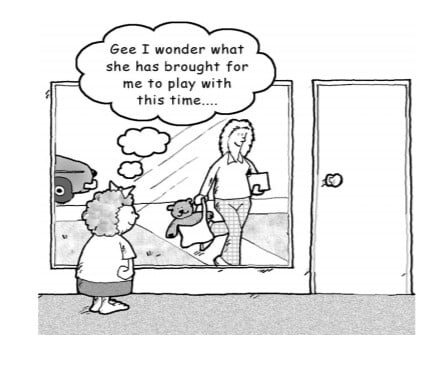
Visiting Teacher Forms for Home Visits
The Visiting Teacher forms we have provided here in sample format are for you to modify according to your service and community. The forms include: To make a record of a child observation. A letter to thank the child for […]

Establishing Good Internal Financial Control and Preventing Fraud
Early Childhood Service Internal Financial Control Systems. By Bevin Fitzsimons. Why internal control? Internal control systems are normal in business and society and will be expected of you by your staff, fellow owners, parents, board members, bankers and financiers.They help […]
January 2024 pānui for service providers
Contents Regulation changes for Person Responsible – dates to note 26 Feb and 26 Aug EC11A Notification of Change of Qualified Persons form Giving staff timely pay increases when opting-in to higher pay parity funding Woker protection law changes – […]
Research Library – Today’s Featured Articles
Where are the Men in Jamaica’s Early Childhood Classrooms? The Experiences of those who Choose to Teach Young Children
Research on factors that male teachers believe deter other men from joining them in the early childhood profession. Read the full paper below. Or to order a pdf copy of the article go to the main NZIRECE Journal page.
The Wellbeing of Pacific Children and Families: Foregrounding Culture, Language, and Identity Formation in ECE
Research on health and wellbeing of Pacific children in NZ early childhood education, and factors that impede or enable better health and wellbeing. Read the full paper below. Or to order a pdf copy of the article go to the main NZIRECE Journal page.

Children’s Participation in Disaster Risk Reduction as Curriculum
Children’s Participation in Disaster Risk Reduction as Curriculum. Dian Fikriani* and Jane Bone** * Gadjah Mada University Indonesia. **Monash University Australia. Full Reference: Fikriani, D. & Bone, J. (2014). Children’s participation in disaster risk reduction as curriculum. NZ Research in […]
Index for the NZ Research in ECE Journal, 2000, Vol 3
The titles, authors and abstracts for papers published in the NZ Research in Early Childhood Education Journal, Volume 3, 2000 are shown below. To view any paper, scroll to the end of this page for copies. The Early Years: Conceptual […]
What We Do
Resources