
Teacher Member Posts
Progressing Play
Progressing Play: Practicalities, Intentions and Possibilities in Emerging Co-constructed Curriculum by Leanne Hunter and Lisa J Sonter. The long title reflects the breadth of insight and guidance provided. The cover is not glossy and eye-catching probably because it’s a practical […]
What’s all the Fuss About Playdough?
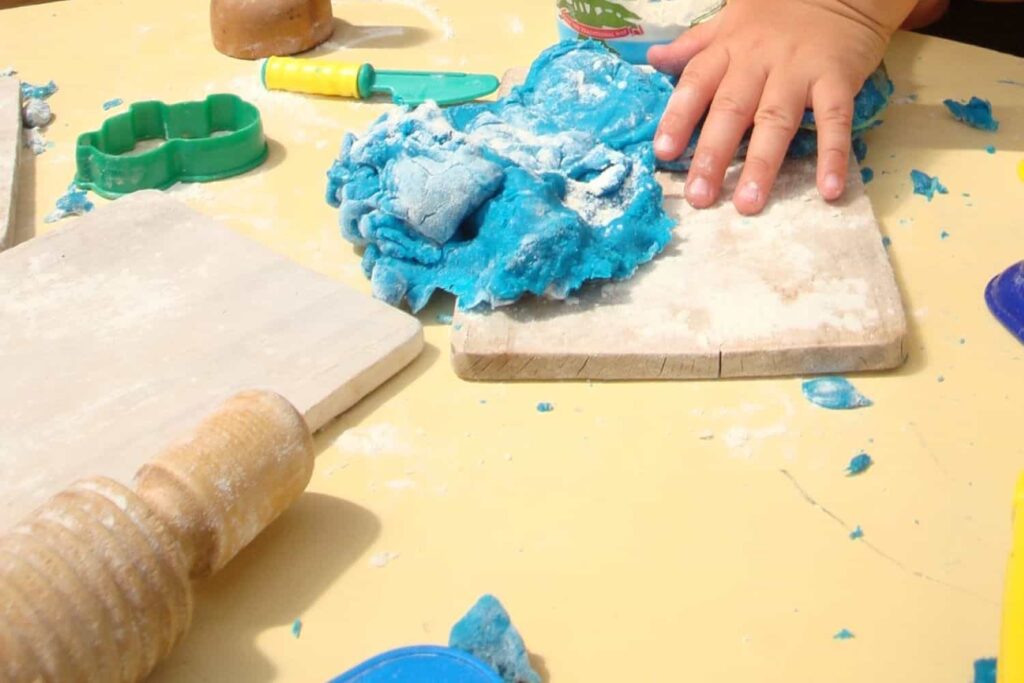
Playing with playdough is an everyday occurrence at many ECE services, but the humble activity is subject to frequent debate with suggestions that playdough and other food based play ideas are culturally insensitive. The debate is not new – it […]
Running a Transition to School Programme at Your ECE Service
Transition to School Programme. By Lisa Almeida. My experience has taught me that if the child’s transition to school is to be a success the importance of a reciprocal inter-relationship between parents, early childhood teachers, the primary school, and the child […]
Relieving Work – Relief Teaching
Working as a Reliever in ECE. Most permanent early childhood teachers will have experienced relievers within their services, either from an agency or permanent relievers employed by their service and they may be interested in pursuing relieving themselves. If you […]
Service Provider Member Posts
Getting Relievers and Managing Relief Staff
An early childhood reliever is a much welcome part to any ECE service. Teachers and home-based coordinators will require annual or sick leave, or you may need someone to fill in, while you look for a new staff member. Whatever […]
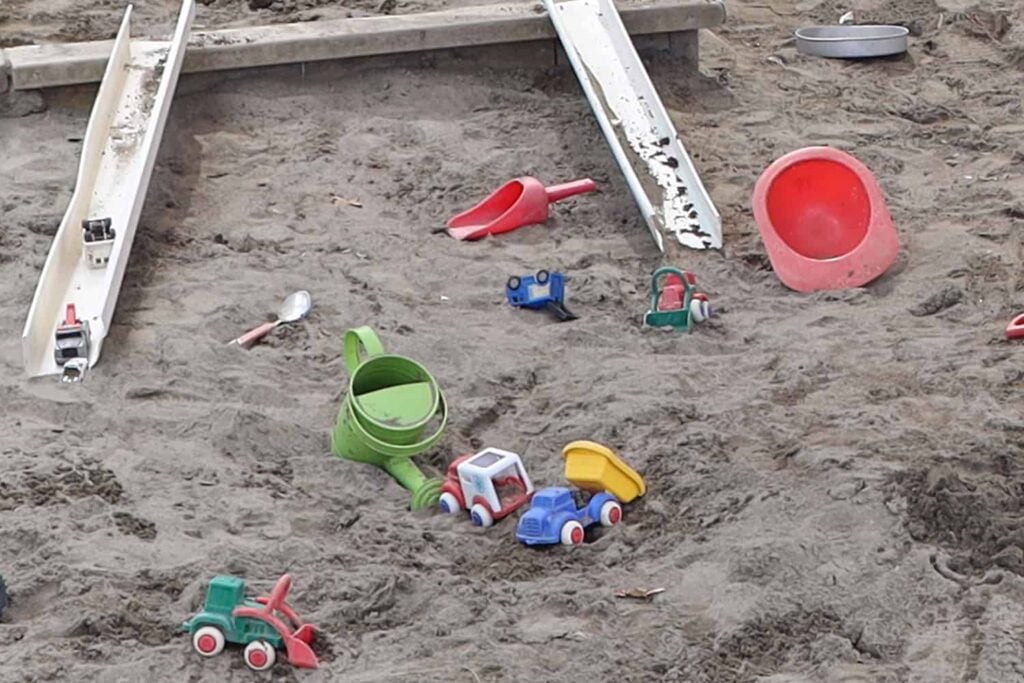
Sandpit – Safety, Hygiene and Health
Sandpit safety and hygiene. There are many potential safety problems and hazards in regard to sandpits. Sandpit Safety. Ensure that active supervision of children in the sandpit is provided at all times. When the wind makes playing in the sandpit […]
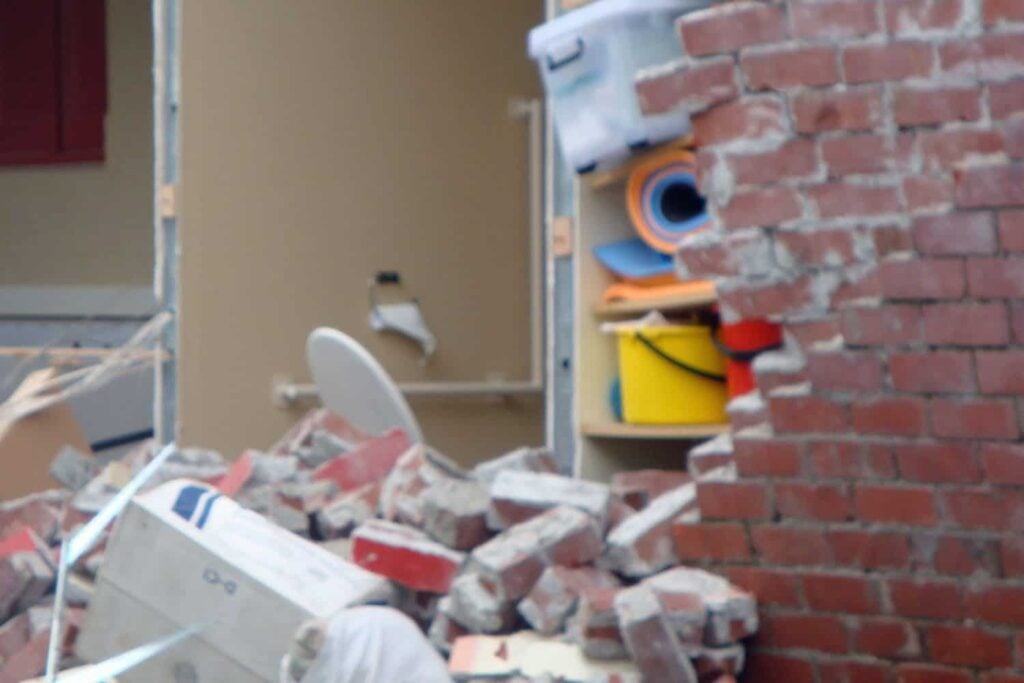
Building is Unusable But You Need to Continue Providing Care for Children
ECE Centre Temporary Relocation. A major earthquake, a fire, or other unplanned event such as gas leak, may mean your early childhood centre building cannot be used. Parents will continue to need childcare, and you want to continue business but […]
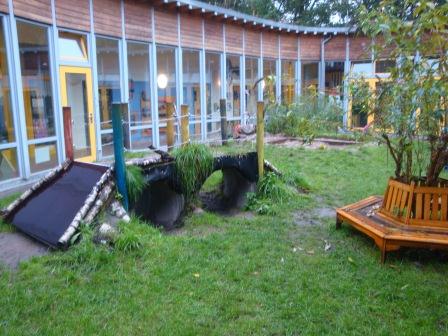
Indoor-Outdoor Spaces and Room Layout
Early Childhood Centre Design Ideas. We show, with photographs, a different design and approach to using space for supporting small group and project work. The design comes from a bilingual kindergarten, called a ‘Kita’ in Hamburg, Germany. The photographs were […]
Research Library – Today’s Featured Articles
Children’s Participation in Disaster Risk Reduction as Curriculum
Children’s Participation in Disaster Risk Reduction as Curriculum. Dian Fikriani* and Jane Bone** * Gadjah Mada University Indonesia. **Monash University Australia. Full Reference: Fikriani, D. & Bone, J. (2014). Children’s participation in disaster risk reduction as curriculum. NZ Research in […]

Fathers’ Voices: Their Participation in Early Childhood Education
Research on the involvement of fathers in early childhood education. Read the full paper below. Or to order a pdf copy of the article go to the main NZIRECE Journal page.

Researching with Men: Ideas and Strategies for Doing Better
Research with Men. By David Mitchell and Philip Chapman. Published in the NZ Research in Early Childhood Education journal, Vol. 4, 2001, pp. 165-175 Abstract This paper challenges the tendency of research to ignore issues related to the study of […]

Making Inclusion Happen in Early Childhood Settings
Research on family and whānau and teacher perspectives and practices of inclusion in early childhood education settings in Aotearoa NZ. Read the full paper below. Or to order a pdf copy of the article go to the main NZIRECE Journal page.
What We Do
Resources