

Teacher Member Posts
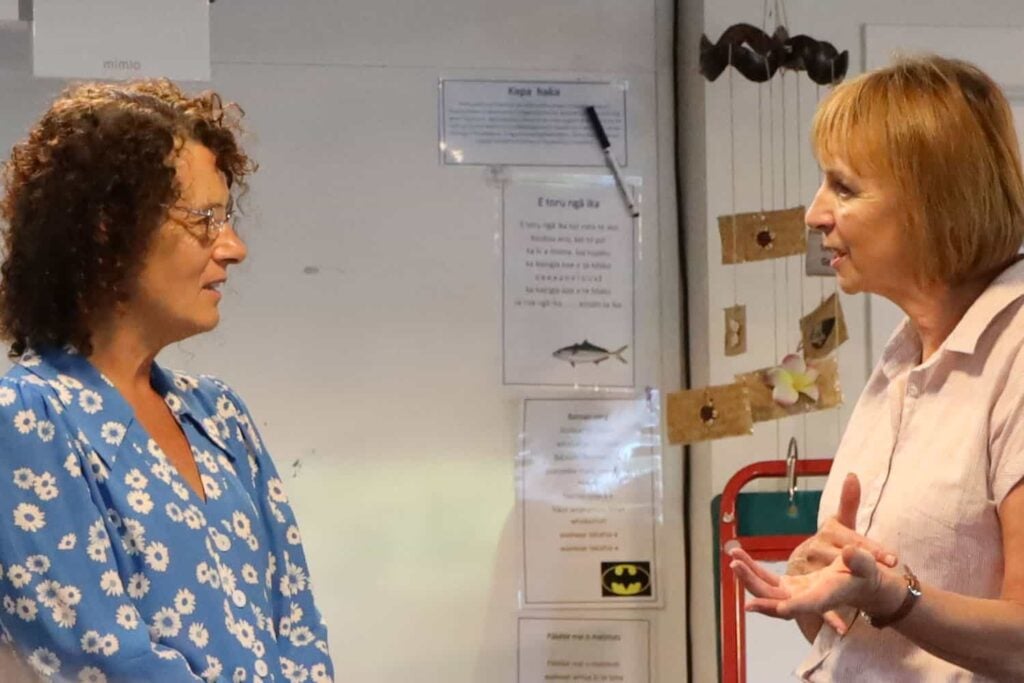
Speaking Up: Learn to Communicate Your Issues and be an Advocate for Children
Advocate for Children and Early Childhood Education and Care. “If you’re never scared or embarrassed or hurt, it means you never take any chances” – author Julia Sorel We are more likely to benefit children and keep growing as people […]
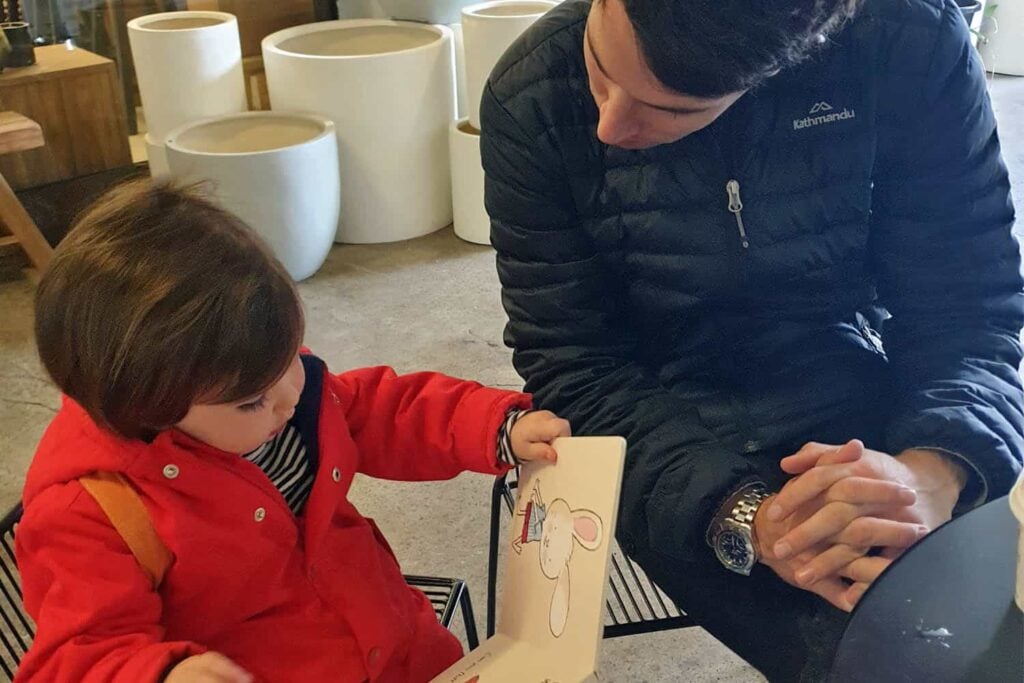
Teaching Literacy – An Early Childhood Educator’s Guide
Guide to Teaching Literacy. By Dr Sarah Alexander. From their earliest speech experiences through to contact with written language and technologies, what happens in children’s homes and communities shapes their early literacy learning. How, and whether this early learning is […]

Asking for More Pay – Negotiating and Pay Reviews
Asking for More Pay. In this article we discuss: Getting over your fear to ask for a pay rise. What your employer’s obligations are. Preparing to negotiate and what you can expect. Getting over fear to ask for a pay […]

Grief and Preparing a Child For Loss
Supporting a grieving child can be distressing for a teacher. However it is important that teachers do not try to avoid dealing with a child’s grief, or with their own grief. Teachers can support children’s grief in a sensitive and […]
Service Provider Member Posts

Interview Questions for Teaching Job Applicants
This article goes over the broad areas to cover when interviewing an applicant and questions interviewers have found work. When interviewing for a teaching position try to cover at least the following broad areas: Prior work experience and reasons for […]

Caring for Yourself When Managing or Leading an ECE Service/s
Caring for yourself when managing a service or in the role of a leader. And, the responsibilities that owners and governance committees must meet in regard to supporting the manager and leaders. Introduction There seems to be the perception and […]

Using the Internet to Benefit Your Service
Ways to use the Internet for parent and staff communication, and promoting your service. With billions of pages and more being added every day, the internet can be a great source of inspiration and ideas for activities to do with […]

Full Pay Parity Salary Scales and Making the Funding Work for You
There are new pay scales for full pay parity. Services that opt into the kindergarten funding rate must attest to paying their teachers the full kindergarten pay scale. Other funding options linked to no salary attestation requirement (base funding), and […]
Research Library – Today’s Featured Articles
Early Childhood Educators’ Workplace Well-being
Catherine Jones, Fay Hadley, Manjula Waniganayake and Melissa Johnstone. Macquarie University, New South Wales. Full reference:Jones, C., Hadley, F., Waniganayake, M. & Johnstone, M. (2019). Early childhood educators’ workplace well-being: A case for using self-determination theory to understand and support […]

Three-year-old Children’s Visual Art Experiences
Three-year-old Children’s Visual Art Experiences. Julie Plows. University of Auckland, NZ. Full reference: Plows, J (2015). Three-year-old children’s visual art experiences. NZ Research in Early Childhood Education Journal, 18, 37 – 51. Original Research Abstract This art-based study investigated the […]
More than Door Talks. Insights into Parental Involvement in the Irish ECE and Care Context
Insights into what parental involvement is and how and why it must involve more than ‘door talks’. Read the full paper below. Or to order a pdf copy of the article go to the main NZIRECE Journal page.
Publication Ethics of the NZIRECE Journal
Publication ethics statement. Originality, accuracy and avoidance of harm The journal publishes only work that is original. Authors are asked to declare that their submitted
What We Do
Resources